
Dive deeper into the newest survey results.

Finance leaders acting on opportunities, not waiting for perfect conditions
In August 2026, U.S. Bank surveyed 1,000 senior finance leaders at U.S. companies with annual revenue ranging from $100 million to more than $5 billion. The findings reveal that finance leaders are growing more optimistic, even as many of the risks they faced earlier this year remain in place. The survey builds on U.S. Bank’s CFO research since 2021 and compares sentiment with its most recent survey of senior finance leaders in spring 2026.
More Resources
Previous reports
Growth gains ground
Driving revenue growth and exploring M&A potential have gained ground as core priorities since spring 2026, indicating CFOs’ renewed confidence in pursuing expansion.
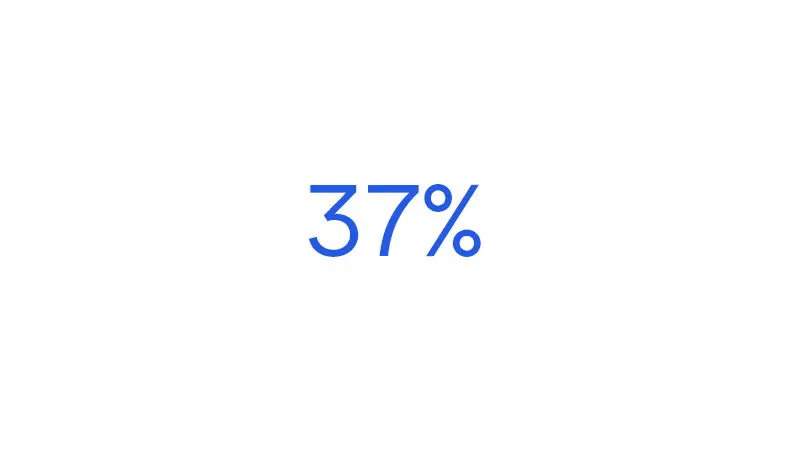
37% identify cutting costs and driving efficiencies as a top priority, down from 39% in spring 2026.
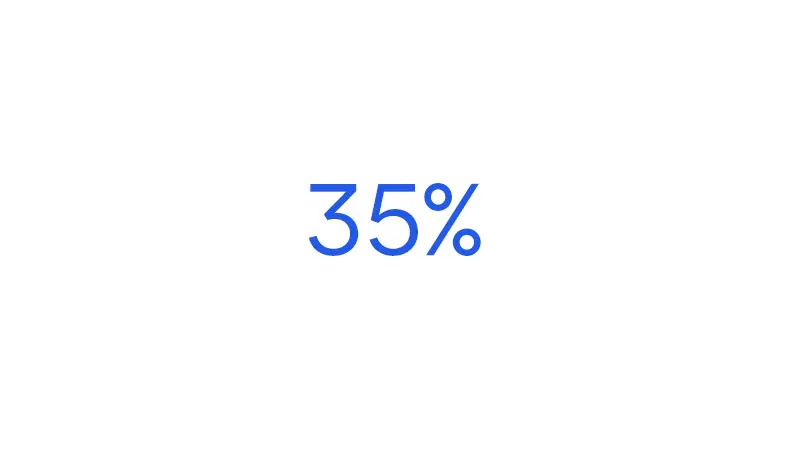
Driving revenue growth is now the #2 ranked priority at 35%, up from 31% in spring 2026.
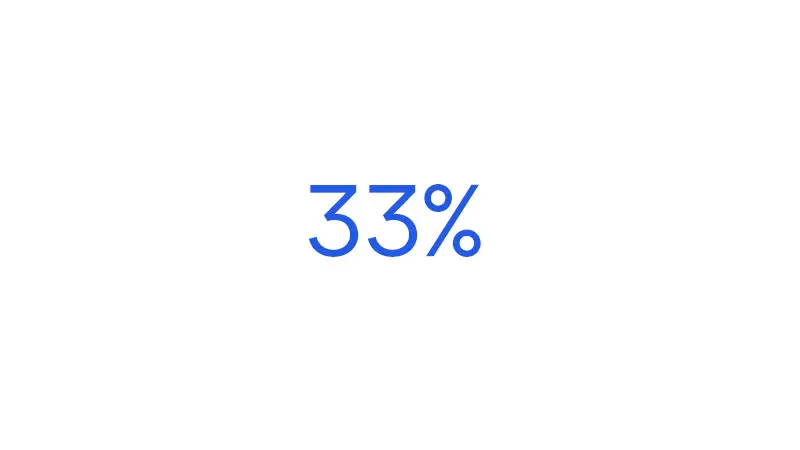
Evaluating M&A opportunities rose from the fifth-highest priority (27%) in spring to third-highest (33%) in the fall.
Sentiment has improved
CFOs and other senior finance leaders reported growing optimism about the prospects of the economy, particularly over the longer term. And they are even more optimistic about their own companies’ financial outlook across the same time frames.
41% have a positive 12-month outlook on the U.S. economy, up from 36% in spring 2026.
68% have a positive 3-year outlook on the U.S. economy, up from 58% in spring 2026.
50% have a positive 12-month outlook on their business’s financial prospects, up from 45% in spring 2026.
71% have a positive 3-year outlook on their business’s financial prospects, up from 64% in spring 2026.
Dealmaking has momentum
Evaluating M&A, divestiture and partnership opportunities was one of the fastest-rising priorities, moving from fifth place in spring 2026 to third in August.
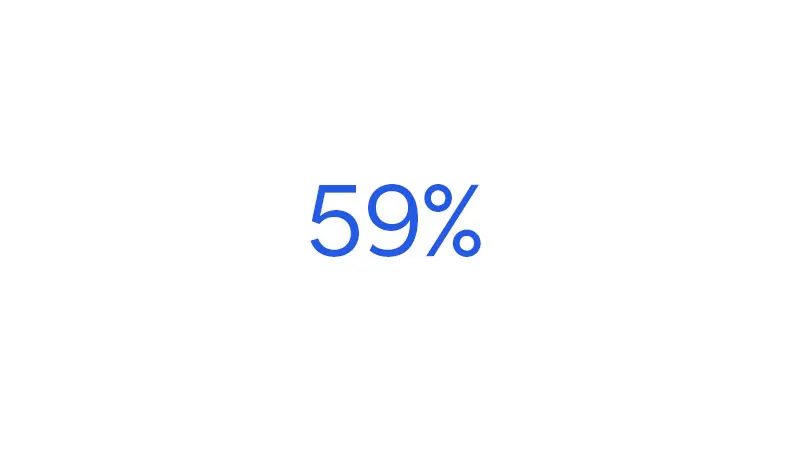
59% of finance leaders said M&A activity in their sector was likely to rise over the next 12 months, up from 46% in the spring.
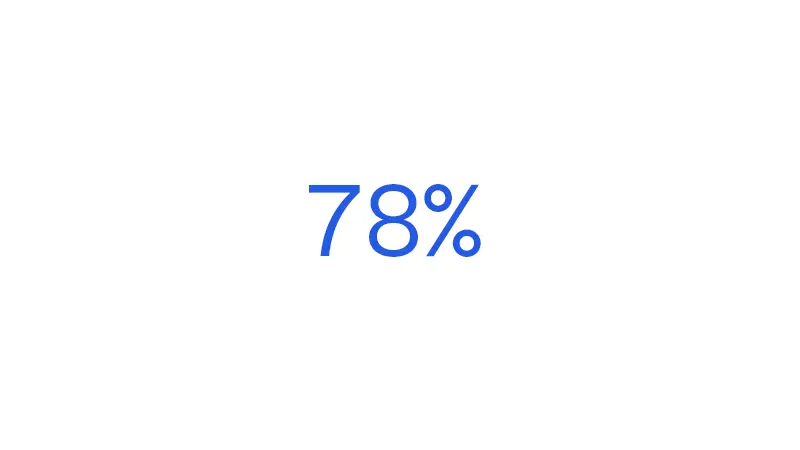
78% of manufacturing finance leaders expect industry M&A activity to rise.
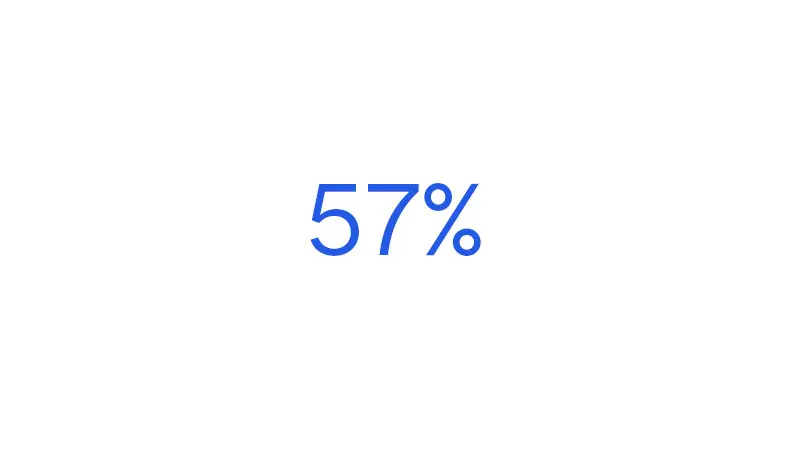
57% agree that they are more likely to make acquisitions in the next year than they were in the past year, up from 49% in the spring.
Familiar risks remain in place
Geopolitical tension and war continue to top the risk agenda, while high borrowing costs have moved up to become the number two risk, followed by high inflation.
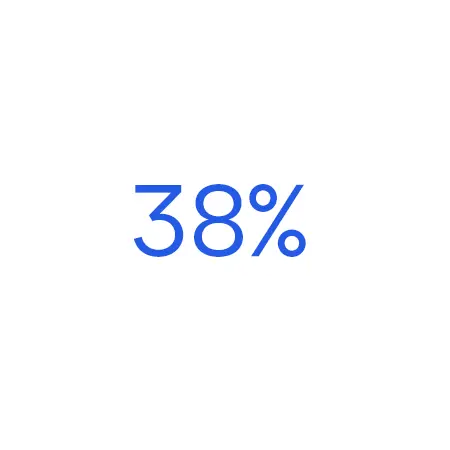
38% of respondents cite geopolitical tension and war as a top risk, up from 35% in spring 2026.

35% of respondents cite high borrowing costs as a top risk, making it the number two risk, up from 31% in spring 2026.
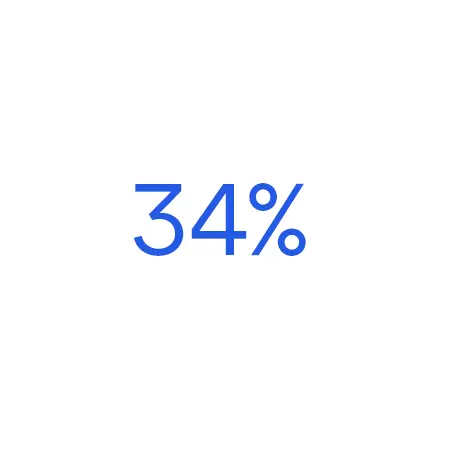
34% of respondents cite high inflation as a top risk, unchanged from spring 2026.
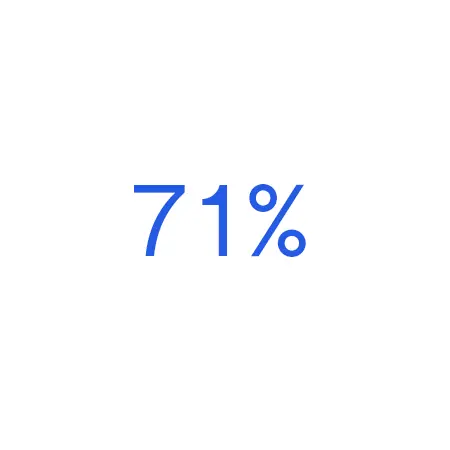
71% of finance leaders agree that geopolitical volatility represents an opportunity as well as a risk, up from 61% at the start of the year.
Economywide AI investments are delivering value, but costs remain a challenge
Most finance leaders (69%) say the rapid growth of AI investment across the economy is creating new opportunities for their business. And 67% say this investment has already had a positive impact on their business over the past 12 months.
Larger companies are more likely to report a positive impact
Investment in AI technologies and AI infrastructure has increased across the U.S. economy. To what extent has your business benefited from this in the past 12 months? (Those reporting positive impact, by annual revenue)
But AI has also created new cost pressures
The cost of adopting AI is becoming a challenge for finance leaders. More than half of organizations (51%) said their spending on AI tools and platforms exceeded budget over the past 12 months.
In the past 12 months, has your organization’s costs for using AI tools and platforms (e.g., usage-based or token-based pricing) exceeded what you had budgeted? (Excludes those who selected ‘Not applicable – we don't track AI usage costs’)

What we’re seeing
“Since our spring survey, we've seen a shift in how finance leaders view the current environment. The underlying risks remain largely the same, but optimism has improved and priorities are adjusting. Finance leaders remain focused on cutting costs, yet they're also placing greater emphasis on revenue growth, pursuing M&A opportunities and investing in productivity. Taken together, the findings as well as our client conversations suggest companies are increasingly willing to act rather than allowing uncertainty to delay important strategic decisions.”
Stephen Philipson
U.S. Bank Vice Chair and Head of Wealth, Corporate, Commercial and Institutional Banking

Get the complete survey results
Read the full CFO survey for deep insights and perspectives on what finance leaders are thinking and how they are leading their functions in a highly dynamic global environment.
Stay connected
U.S. Bank expertise when you need it
Rely on us to deliver the guidance and insight today’s finance leaders need to stay ahead of the curve.
About the research
The results of this research are based on a survey conducted between August 5 and August 27, of 1,000 senior finance leaders who work in U.S. businesses across multiple sectors.
Nearly half of the survey participants are company, regional or divisional CFOs. The remainder are senior managers within the finance function. Every finance leader surveyed works for a business that generates at least $100 million in annual revenue, and 30% work for a business that generates at least $2 billion.
Company sizes
Every survey respondent works for an organization that generates at least $100 million in annual revenue. This is the percentage of respondents by annual revenue:
- >$5 billion: 10%
- $2 – $4.99 billion: 20%
- $1 – $1.99 billion: 13%
- $500 – $999 million: 17%
- $250 – $499 million: 19%
- $100 – $249 million: 21%
By obtaining responses from finance leaders across a wide range of sectors, company sizes and job roles, we are able to provide a report that incorporates a wide range of viewpoints.
Previous editions of our research include:
- Spring 2026 report (PDF)
- Leading the return to growth (2024) (PDF)
- Leading the transformation (2023) (PDF)
- Leading through uncertainty (2022) (PDF)
- Leading the recovery (2021) (PDF)
Job Roles
Note: The percentages add up to more than 100% due to rounding.
Start of disclosure content
Disclosures