
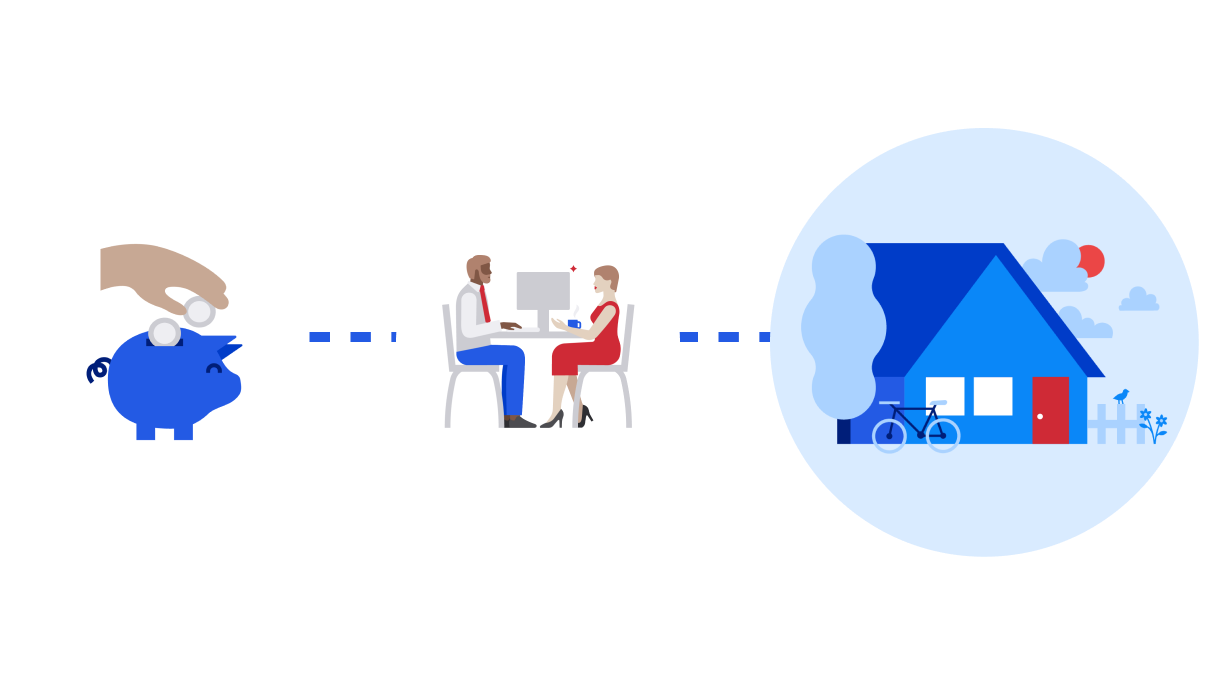
Step 3: Find and close on your home.
Closing on a house
Step 3: Find and close on your home.
Topics in this step

Cruising toward closing
At this point, you’ve seen some homes, learned about loans and have hopefully found exactly what you’re looking for – or something close to it.
Once you find the home for you, your real estate agent will help you make an offer. There are a few things you and your agent will want to include:
How much are you offering?
Are you offering more, less or equal to the seller’s asking price? In case of other offers, are you willing to add an escalation clause?
Do you have any contingencies?
Common contingencies include a home inspection, appraisal, financing or the property’s title.
What’s your earnest money offer?
This is a cash deposit you pay up front – out of your down payment – to show the seller you’re serious about the home. Earnest money deposits are often 1 to 2% of your overall offer.
Your agent will include all those details in your offer letter. They’ll also want to include a letter from your lender indicating that you’re pre-approved for your offer amount. Then it’s in the seller’s hands. They’ll review your offer and choose to accept it, decline it or negotiate.
Kind of a pun, yes, but underwriting calls for excitement and maybe some patience. Once you have an offer accepted, you’ll need to work closely with your loan officer. During the mortgage underwriting process they’ll likely ask you for additional information. They’ll also schedule an appraisal of the property and do a title check. You’ll be responsible for giving your loan officer the documentation they request. You’ll also want to avoid any large financial changes.
How much are closing costs?
Learn what closing costs are and how to prepare for them.
What are mortgage points?
Find out if mortgage points are something you’re interested in.
What happens at a mortgage closing?
Go through this checklist and tick off those boxes.
What is an escrow account?
They can help to ensure taxes and insurance are paid on time.
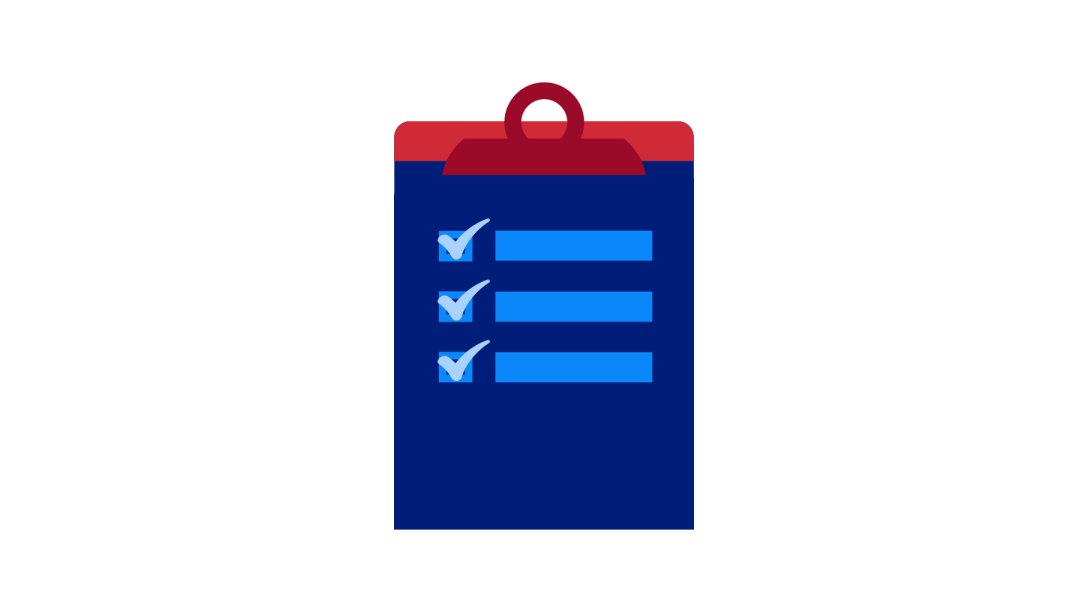
Once you’ve accomplished these items, you’re ready to enjoy your new home!
- Make an offer and negotiate (if needed).
- Schedule a home inspection.
- Remain patient and calm during underwriting.
- Get homeowner’s insurance.
- Do a final visit of the home, just before closing.
- Sign your closing documents!
To close, some lenders only allow traditional closing appointments, but some – like U.S. Bank – let you eClose. A few days before you’re scheduled to close, you’ll receive your closing documents. They’ll include all the terms and costs of your loan. You should also have a chance to do a final visit of your new home, before closing.
If you choose to eClose, you’ll access your closing documents online and sign them with taps or clicks. You’ll still need to attend a short follow-up appointment to sign the last few documents in front of a notary and pay your closing costs.
If you choose a traditional closing appointment, you’ll meet with your closing agent to physically sign your closing documents and pay your closing costs. (There are a lot of documents to sign, by the way.)

Then, you get the keys to your new home. Celebrate!
What comes after closing?
You’ve signed the documents. The home’s title is in your name. You’re doing all the necessary things like updating your address and deciding if you want to hire professional movers. Now that you’re a homeowner, there are new opportunities and challenges to consider. Here are just a few.
Home furnishings
Buying a new space might mean you want some new things to put in it. Take inventory of what you have and what you want. (Packing to move is a great time to figure this out.)
Home projects
Is your new house in perfect condition, or does it need some work? Aside from a good cleaning, you might have a few DIY projects to take on, or you might need to think about making more significant improvements.
Paying your mortgage
Get familiar with managing your mortgage. U.S. Bank offers a variety of tools to help you with this through both online banking and the U.S. Bank mobile app. You can check your mortgage balance, make payments, download statements and more.
Take the next step
Start of disclosure content
 Equal Housing Lender