

U.S. Bank Foundation Opportunity Fund releases $15 million in grants
Several grants will help fund nonprofit programs supporting disaster relief and resilience efforts.
NEWS
December 2, 2025
Bank employees also share their time and expertise by serving on nonprofit boards
Hundreds of nonprofit organizations across the country recently received Community Possible grants totaling more than $15.5 million from the U.S. Bank Foundation. As the bank’s unified giving and employee engagement program, Community Possible combines philanthropy and volunteerism to support nonprofits through its signature pillars of work, home and play.
Many U.S. Bank employees serve on nonprofit boards, offering their time and expertise to help organizations serve the needs of their communities. The opportunity to serve also allows them to strengthen community connections and tap into personal passions. Here, three employees talk about how their board service brings a new dimension to their work and offers another way to give back to the places where they work and live.
Tom Zirbs, Branch and Small Business Banking, Minneapolis:
We all live in a community that is a sum of its parts – the individuals who go to work at the local grocery store, the family you see every Saturday playing at the park, the nonprofits that connect your neighbors to resources during tough times, and the businesses that employ you, your family and friends.
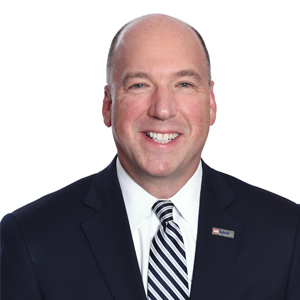
Serving as a board member on nonprofits helps me build a deeper connection to the community where I live and work. Through this work, we are able to have a profound impact on the lives of people here in the Twin Cities – by helping them find stable housing, connecting them with employment opportunities and increasing access to education and skill development that prepares them for a lifetime of success.
I sit on the board for Project for Pride in Living in the Twin Cities. It’s an organization that is dedicated to serving individuals and families who have lower incomes by providing affordable housing and career readiness services. These are vital services – as stable housing is critical for people’s health, wellbeing and security, as well as building stronger connections to the community and makes it easier for people to find and keep a job. It also helps students do well in school. Having stable housing and having the skills and training to succeed at work have a ripple effect on our communities, leading to increased economic stability and setting the stage for long-term success.
Beth Petruno, Business Banking, Albuquerque, New Mexico:
Serving on the board of the New Mexico Community Loan Fund has been one of the most rewarding professional and personal experiences of my career. After more than 20 years in banking, helping businesses and real estate investors grow, I’ve seen firsthand how access to capital can transform lives. The Loan Fund embodies that belief – providing financing and support to small businesses, entrepreneurs and nonprofits that might not otherwise qualify for traditional loans.
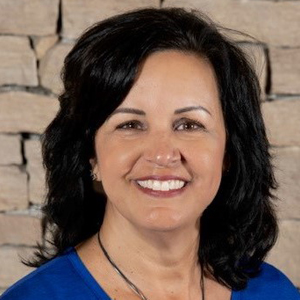
When U.S. Bank employees engage in board service, we become ambassadors for financial inclusion and community resilience – core values of our company. Board service also deepens our understanding of local challenges and opportunities. By working alongside other community leaders, we develop a more holistic view of how to help individuals and small businesses succeed – not just through lending, but through collaboration, education and advocacy.
The New Mexico Community Loan Fund is a 501(c) (3) certified community development financial institution that has helped thousands of entrepreneurs access the resources they need to start or expand their businesses. Beyond loans, the organization offers training, mentorship and financial education – tools that build lasting capacity. From supporting startups to helping nonprofits grow their impact, the Loan Fund plays a critical role in strengthening New Mexico’s economic ecosystem. It’s more than financing – it’s about opportunity, empowerment and long-term sustainability. For me, serving on the Loan Fund board is both a professional responsibility and a personal privilege – a way to give back to the place I call home.
Steve Petersen, Ascent Private Capital Management, Seattle:
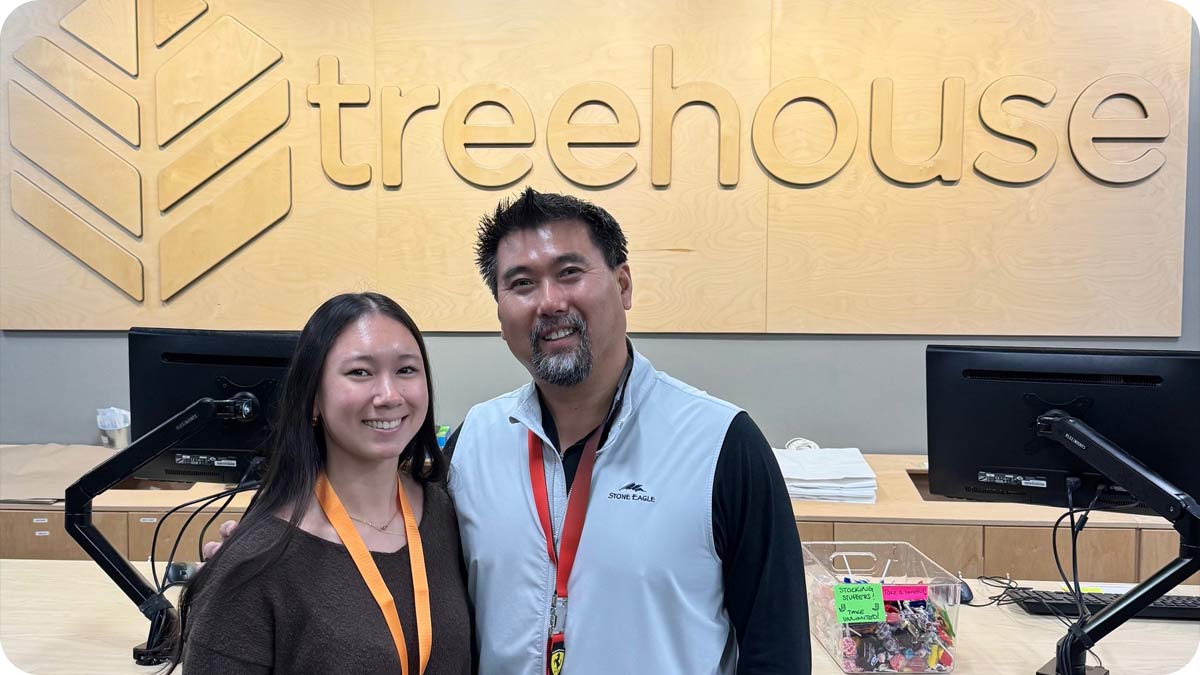
Having lived experience early on in my childhood in Seoul, South Korea, I have a strong connection to Treehouse and its mission to “create opportunities for youth in foster care to thrive.” Only 3-4% of foster youth graduate college with a four-year degree, and I’m one of the fortunate few to be adopted and given all the opportunities for success. It took people who cared to help me get to where I am now, so it’s critically important for me to give back to these kids. Treehouse has made a significant impact on the lives of foster kids in Washington state, especially around educational outcomes and quality of life.
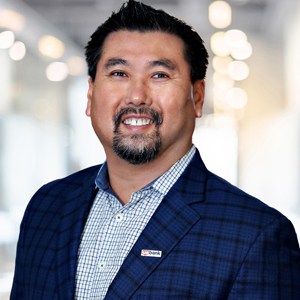
Treehouse was started 30+ years ago in Washington by social workers who witnessed firsthand the substantial gaps in the quality of life of youth in foster care as compared to their peers. What started out as these social workers pooling their money to help these foster youth has grown into a statewide organization that impacts over 6,000 youth in foster care in Washington each year. Whether it’s free clothing, books, toys and accessories from the Treehouse Store; or music lessons, league fees, sports equipment or tutoring from Just-in-Time Funding; or Holiday Magic, which sends each child in foster care a meaningful holiday gift in December each year, the organization uplifts these young people. The greatest impact over the last dozen years has been the significant growth of Graduation Success, a holistic, student-centered high school educational assistance program that has improved on-time graduation rates of foster youth in King County by more than 20 percentage points since inception.
By connecting with local nonprofits, U.S. Bank is able to collaborate with members in our communities, and board service elevates that connection to a higher level. Every nonprofit board has a fiduciary duty to oversee finances and budgets for the organization, so there is a natural fit for U.S. Bank employees to serve on finance and investment committees.
The U.S. Bank Foundation is a tax-exempt private foundation described in section 501(c)(3) of the Internal Revenue Code. The Foundation is funded primarily through contributions from U.S. Bank National Association and its affiliates and subsidiaries. The Foundation’s mission is to close the gaps between people and possibility in the areas of work, home, and play.
More company news
Several grants will help fund nonprofit programs supporting disaster relief and resilience efforts.
San Francisco-based Kit Switch has signed design contracts for more than 300 housing units in the past year.
 Equal Housing Lender