
Don’t let an uptick in scams ruin your holidays

Tax concepts and terms you should know
4-min. read
Three things to know:
Be cautious of online scams: Avoid clicking on suspicious links, verify website security (look for "https://"), and shop directly on trusted retailer sites.
Protect deliveries and gift cards: Use video doorbells, track packages, and purchase gift cards from secure locations to prevent theft or tampering.
Verify charities and offers: Research unfamiliar charities on watchdog sites and apply for credit cards directly through official issuer websites to avoid falling for fake offers.
As the holidays approach, you may be focused on decorating your home and finding the perfect gifts for your loved ones. But scammers are fixated on something else: how to steal your money, your personal financial information, your identity or all three.
Nearly nine in 10 U.S. adults report being targeted by or experiencing at least one type of scam, according to AARP research, underscoring the importance of staying vigilant during the holiday season.
Here’s a look at seven of the most prevalent scams to keep an eye out for over the holidays — and tips for how to protect your finances.
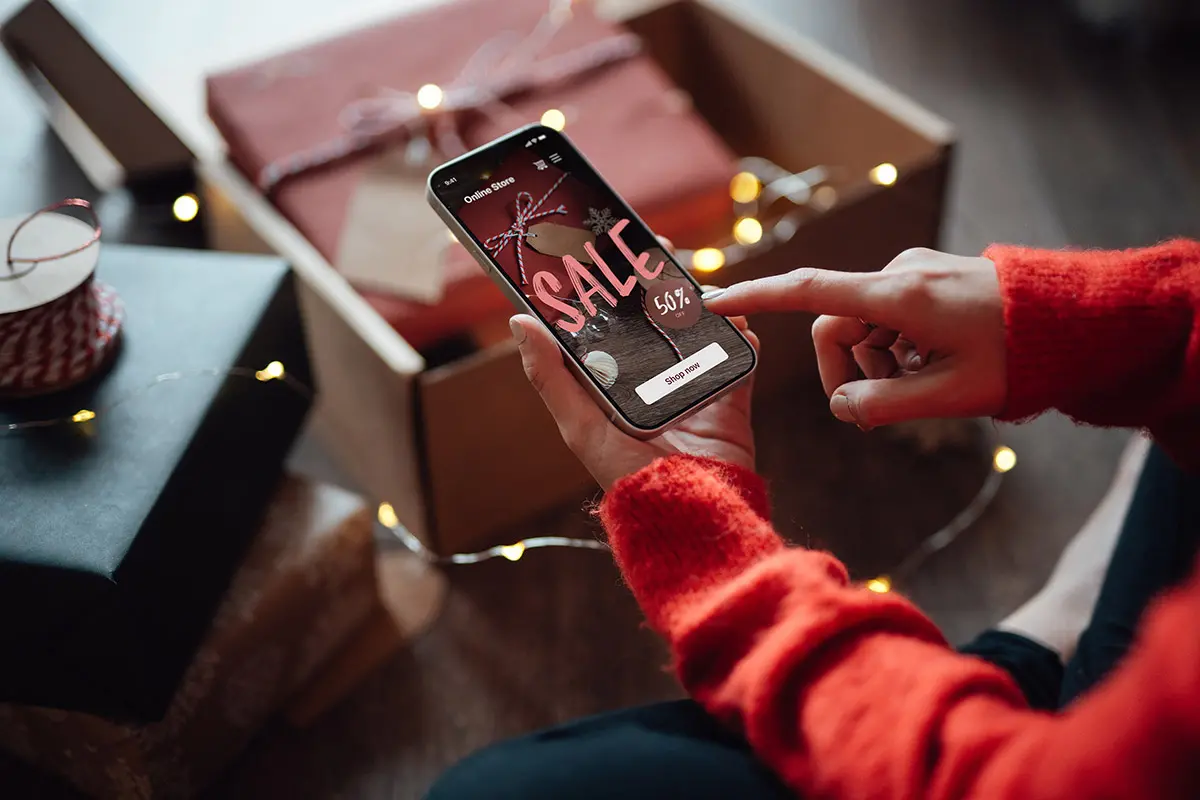
 How the scam works: A fraudster builds a website that looks like it belongs to a legitimate retailer, then steers you there through convincing emails, text messages and social media ads. You make a purchase, they pocket your money and card details, and the product never shows up. “It can be very hard to tell what’s real and what’s not,” says Gini Graham Scott, author of several books on scams, including Scams in the Digital Age.
How to protect yourself: Don’t click on links you receive via text or email. If you spot an alluring deal, go directly to the retailer’s website to find it. Anytime you shop online, make sure the site address begins with “https://” which signals a secure connection.
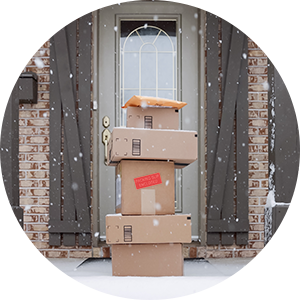 How the scam works: Crooks drive around and steal packages that have been left on homeowners’ doorsteps.
How to protect yourself: Consider installing a video doorbell camera, which can serve as a strong deterrent to criminals. You can also set up notifications for deliveries to minimize the amount of time packages sit unattended outside your home. If you’re traveling over the holidays, you can have your mail held.
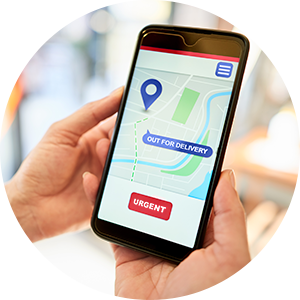 How the scam works: Fraudsters send you a text or email that appears to be from the U.S. Postal Service, a delivery company like FedEx or UPS, or a retailer that claims there’s been a problem with a package you’ve supposedly ordered — a missed delivery, say, or a holdup due to incomplete info. In AARP’s fraud survey, 55 percent of respondents reported getting a fake notification like this.
Clicking on the link triggers a request for your personal information (that scammers will steal) or downloads malware onto your device. “Not every scam is going to take money from you,” says Clayton LiaBraaten, senior executive adviser at Truecaller, an app that helps identify and block scam callers and messages. “Maybe they are asking for personal information for future identity theft.”
How to protect yourself: Don’t click on an out-of-the-blue link about a delivery. If you’re concerned about a specific package, use the tracking number provided by the retailer to get updates on its whereabouts.
 How the scam works: Criminals tamper with the gift cards for sale at retailers, sometimes recording or replacing the number and PIN. When you buy a card and load it with cash, the criminals can drain those funds from the card immediately.
How to protect yourself: If you’re purchasing a gift card from a retailer, look for one kept behind a counter rather than on an open rack, or make sure any wrapping hasn’t been tampered with. Scammers can also use bots to unearth gift card numbers without ever touching the card. So when you get a card, a good rule of thumb is to spend it promptly.
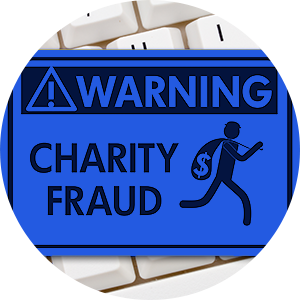 How the scam works: Scammers create a fake charity or fundraising campaign on a crowdfunding site and solicit donations via phone, text or email for what appears to be a worthy cause. Then they keep the donations for themselves.
 How to protect yourself: Before donating to a charity that you’ve never heard of, check watchdog sites like CharityNavigator.org or GuideStar.org. Charities will accept your donations anytime, so you can take the time to make sure an organization is legitimate.
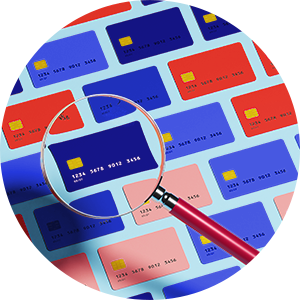 How the scam works: Using social media or text messages, fraudsters advertise phony low- or no-interest cards that you can use for the holiday season. When you enter your personal financial information on a fake application page, criminals steal that data. These scams are especially popular when interest rates are high. “That’s when everyone is looking for a low-interest credit card rate or loan,” LiaBraaten says.
How to protect yourself: If you’re interested in opening a new credit card, go directly to the issuer’s site to apply, rather than clicking on texts or social media offers.
 How the scam works: Swindlers post phony vacation rental listings or hijack real listings on legitimate websites. You’re able to book the property, but when you arrive for your vacation, it doesn’t exist — or the owner has no record of your reservation. Meanwhile, the scammers have made off with your payment and personal information.
How to protect yourself: Use well-known rental websites that offer consumer protections. Look for properties with clearly posted cancellation and refund policies as well as reviews from previous guests. “Always use a credit card and make sure you have a record of the transaction in case you have to dispute it,” LiaBraaten says.
Volume and distraction. You're making more purchases, from more retailers, across more channels than any other stretch of the year. Every extra transaction is another opening for fraudsters. Add the pressure of limited-time deals and last-minute shopping, and it gets easier to click before you think. Scammers count on that rush. Slow down and take away their advantage.
Build a few defensive habits and use them every time you shop:
Protecting your money doesn't have to slow down your season. A little awareness keeps the focus where it belongs: on the people and moments that make the holidays worth it.
Contact your bank or credit card issuer right away to report the transaction and dispute the charge. Change passwords for any affected accounts, monitor your statements closely, and report fraud to the Federal Trade Commission at reportfraud.ftc.gov. The sooner you flag it, the better your odds of recovering funds and limiting damage.
Learn more about how to spot and report suspicious activities to keep your identity and money safe.
 Equal Housing Lender