
As young people step into an uncertain economy, a U.S. Bank wealth coach shares practical ways to build confidence.
Key takeaways:
Amid widespread economic concerns, young adults can build confidence by focusing on what they can control — namely their choices, habits and actions — rather than external uncertainty.
Practical, manageable steps in spending, saving and investing — starting with awareness rather than perfection — help replace financial stress with a sense of progress and agency.
Time and guidance are powerful advantages for Gen Z, as starting early with investing and working with a financial advisor can significantly improve long‑term financial outcomes and confidence.
For many young adults today, the financial future feels increasingly uncertain. According to a recent U.S. Bank survey, members of Gen Z (those born between roughly 1997 and 2012) are working hard, paying bills and doing what they were told would lead to success, yet the payoff feels out of reach.
That stress intensifies due to broader macroeconomic forces outside their control. The survey found that 89% of all respondents feel anxious that the current economy will impact their long-term financial plans, and 87% feel anxious that the political climate will impact their long-term financial plans.
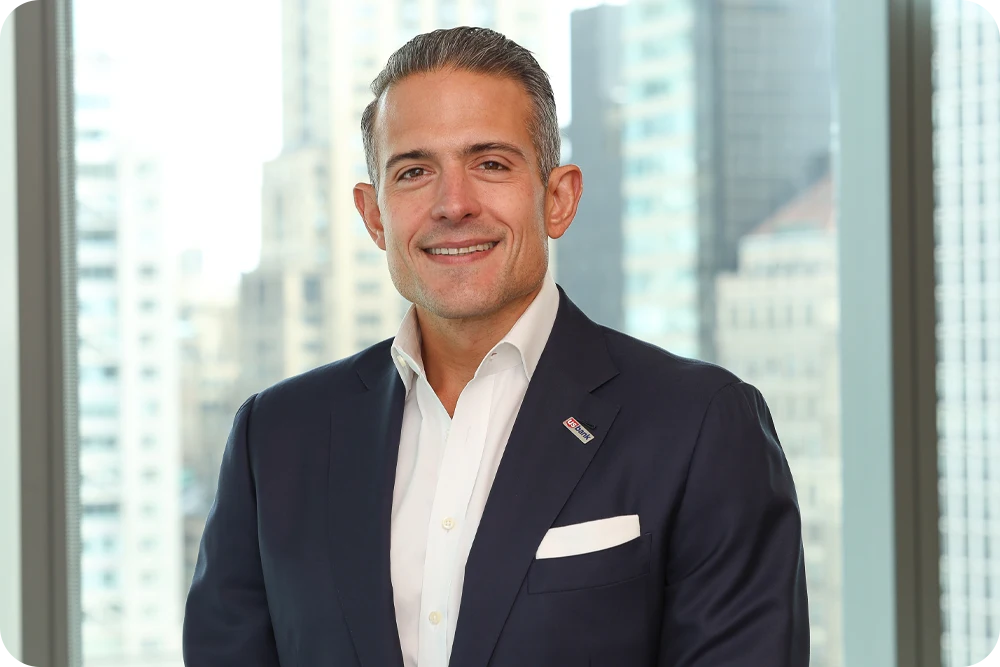
To build confidence and move toward their financial goals, young people should focus on controlling the controllables, said Thomas Thiegs, PhD., senior leadership & legacy consultant, Ascent Private Capital Management of U.S. Bank.
“Focus on what you can control — your choices, effort and habits,” Thiegs said. “This keeps you moving forward, while letting go of what you can’t control helps ease stress.”

The pressure Gen Z Is feeling is real
Today’s unease isn’t imagined, Thiegs said. Gen Z has come of age amid a pandemic, market volatility, geopolitical shocks and rising expenses. And traditional wealth‑building milestones, like buying a first home, are often arriving later in life.
“Uncertainty can sometimes paralyze people into not taking action,” said Thiegs. “But inaction is the real risk.”
Thiegs said there are three areas within people’s control where they can take action today: Spending, saving and investing.
Spending: Awareness before perfection
Budgeting can seem overwhelming to some, he said.
“Let’s face it, most people don’t love budgeting,” Thiegs said.
When Thiegs thinks about tackling a budget, he said a Lao Tzu proverb comes to mind: “The journey of a thousand miles begins with a single step.” This timeless wisdom highlights that even the most difficult projects require a small, manageable first effort.
Rather than working through a detailed, line-by-line budget, Thiegs suggested easing into it with awareness. Take a look at paystubs, bank and credit card statements to get a ballpark figure of what’s coming in and what’s going out. Once you have a general awareness of your cash flow, start layering in the categories of spending, such as rent, food and utilities.
Many banking apps offer budgeting tools, and there are online tools that can help you get started.
Saving: Start where you are, but just start
Balancing day-to-day bill-paying responsibilities with building a savings habit can be a challenge for some. Like budgeting, Thiegs suggests that people ease into the practice of regular saving.
If you’re saving for a goal – say, a new car – he recommends estimating the cost of that item and then dividing that figure by the number of months you have to save. For example, if you want to make a $6,000 downpayment in two years, you’d want to save $250 each month to reach that goal. That monthly target becomes a compass.
“Some months you’ll hit it, some months you won’t,” he said. “What matters is knowing whether you’re on track or off. Instead of asking, ‘Will I ever afford this?’ the question becomes, ‘Am I moving closer this month?’ That shift replaces anxiety with agency.”
There are many digital tools that can be helpful, he said, such as banking apps that allow you to set up a recurring transfer from your checking account to your savings account, on paydays for instance.
Investing: Time is the secret ingredient
When it comes to investing for long-term goals like retirement, one of the most powerful advantages Gen Z has is time, Thiegs said. Retirement can feel impossibly distant to someone in their 20s. But distance is exactly what makes it powerful.
“The number of years you allow your money to grow often has more influence than the amount you put into it,” he said.
Getting started with investing is easier than ever, Thiegs said. Many people have access to retirement plans like 401(k)s at their workplace, which enable contributions with every paycheck. If you don’t have access to an employer-sponsored plan, there are other options to consider, which you could similarly set up with automatic contributions each pay period, in some cases.
“Starting small — and starting early — can change the entire arc of your financial future,” Thiegs said.
Why guidance matters
The U.S. Bank survey found one group that consistently reports feeling a bit more grounded: those who’ve worked with a financial advisor or have a financial plan in place. They’re not necessarily earning more or facing fewer challenges, but they tend to approach financial stress with more confidence and clarity.
Thiegs pointed out that the benefits of financial advisors are not just for the wealthy.
“Financial advisors can provide perspective, education and reassurance even before young people have significant assets,” he said.
Many financial institutions offer services tailored for those who are just beginning to invest, including the option to work with an advisor or team of advisors.
Thiegs also encourages young clients to build a basic financial plan.
“The future will always carry uncertainty,” Thiegs said. “Confidence grows not from controlling outcomes, but from controlling your actions.”


 Equal Housing Lender