
Derik Farrar, head of Everyday Banking and Borrowing at U.S. Bank, offers savings tips to build momentum
In a recent U.S. Bank survey conducted with Morning Consult, more than 80% of adults indicated they want to save more money. Whether the goal is saving for a vacation, building an emergency fund or simply trying to make saving a habit, small steps can make a big difference, said Derik Farrar, Head of Everyday Banking and Borrowing at U.S. Bank.
U.S. Bank offers tools designed to make saving easier and automatic, he said. We recently sat down with Farrar to discuss four flexible ways to save through the U.S. Bank Mobile App and online banking, and how consumers can choose the path that works best for them.
Start small
Saving can feel tough when life is expensive. The key is removing friction and creating habits that stick. Many people find peace of mind just knowing there’s a buffer for the unexpected, Farrar said.
“Building even modest savings can reduce stress and help you stay on track with other goals,” Farrar said. “Like any habit, consistency is key. Start small, commit to staying on track and let automation do the heavy lifting.”
The four ways to save
U.S. Bank offers customers the ability to break their savings into buckets that match their goals. The Autopilot Savings umbrella is designed with four strategies that help fill up those buckets:
- Pay Yourself First: Send a set amount or percentage of a paycheck straight to savings on payday. This makes saving the default, not the afterthought.
- Stack Up Savings: Let the bank’s model‑driven tool assess spending and find pockets of money to move to savings without disrupting cash flow. It’s a simple way to sweep the “extra” cash one may not notice otherwise.
- Spend & Save: Have a small amount of money move into savings each time you use your debit or credit card. This “save when you spend” pattern can help build momentum with every purchase.
- Auto Transfers: Schedule amounts that feel comfortable to automatically transfer funds from checking to savings. Once it’s set, you don’t have to remember to do it.
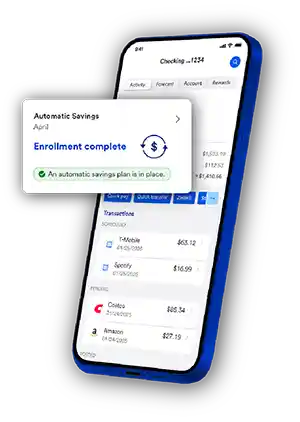
“Setting up automatic transfers reduces decision fatigue and makes it more likely for goals to stick,” Farrar said. “Pairing automation with savings buckets aligns your money with your priorities, gives clarity to progress and makes it easier to stay motivated over time to work toward your financial goals this year.”
Choose the path that fits your goals
A customer’s individual situation and goals will determine what tools to leverage. For instance, additional data from the U.S. Bank survey on personal finance topics showed that Gen Z is especially focused on saving for big purchases, while Millennials prioritize paying down debt and building emergency funds. Meanwhile, older generations tend to prioritize saving for retirement.
Whether a customer wants quick access for emergencies or to grow savings for a large purchase, matching an account and tools to the goal can help.
“You don’t have to choose between tackling high‑interest debt or saving something each month,” Farrar said. “A small emergency buffer can help you avoid adding new debt when life happens, and automating transfers keeps the habit intact while you work down balances.”
Getting started
Check out the U.S. Bank online banking and U.S. Bank Mobile App to learn more about setting up a savings plan.
Disclosures:
Deposit products are offered by U.S. Bank National Association. Member FDIC.



 Equal Housing Lender