
Key takeaways:
The Covington, Kentucky, branch team is bringing banking services directly to senior residents, helping overcome transportation and technology barriers through regular onsite support and financial education.
Quarterly workshops on topics such as budgeting, cybersecurity and fraud prevention are equipping older adults with practical knowledge to better manage and protect their finances.
The program is strengthening trust within the community, with one resident successfully identifying and avoiding a scam after attending a workshop and others becoming more comfortable seeking financial guidance.
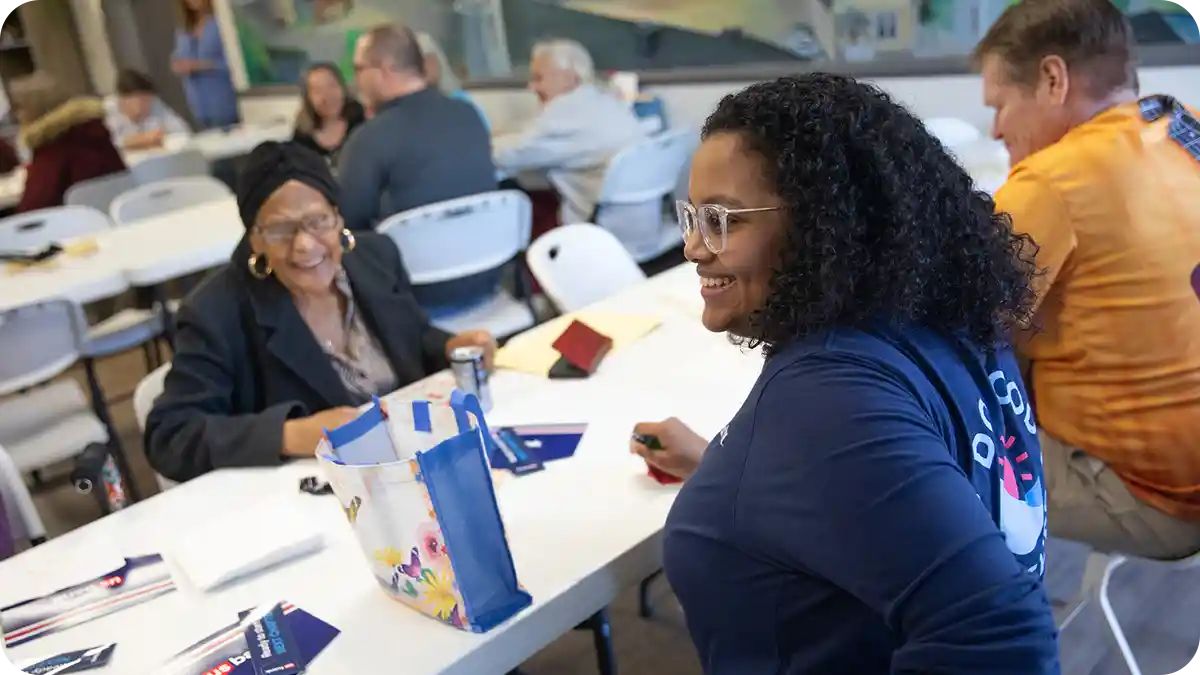
The Covington, Kentucky, team meets with the residents on a quarterly basis
Employees from a U.S. Bank branch in Kentucky regularly deliver onsite banking services at The Colony, a nearby apartment community for senior citizens.
“Our team realized the seniors in our area struggled to get transportation to the branch, and they have limited tech skills, making it difficult for them to use the mobile app or online banking,” said Jeremy Mullins, manager of the branch in Latonia, part of Covington. “So, we take the bank to them.”
The team goes to the senior living community quarterly to provide services, including setting up accounts, direct deposits and one-time or recurring wire payments. They also provide free financial education workshops on topics like budgeting, the importance of building credit, cybersecurity and how to avoid elder fraud. The workshops are open to all residents who are interested in participating, with an average of 20 attending each session, Mullins said.
“Not only have we grown our client base through our visits at The Colony, but we’re helping educate and equip people to protect their finances and futures,” he said. “It’s just one way we’re making sure we’re doing the right thing for our customers and community, and our team is grateful for the opportunity.”
The team provides refreshments and encourages residents to think of each workshop as an interactive conversation, empowering them to speak up throughout the sessions. Mullins said this has created a welcoming and open environment, helping his team build trust and strong relationships with community residents.
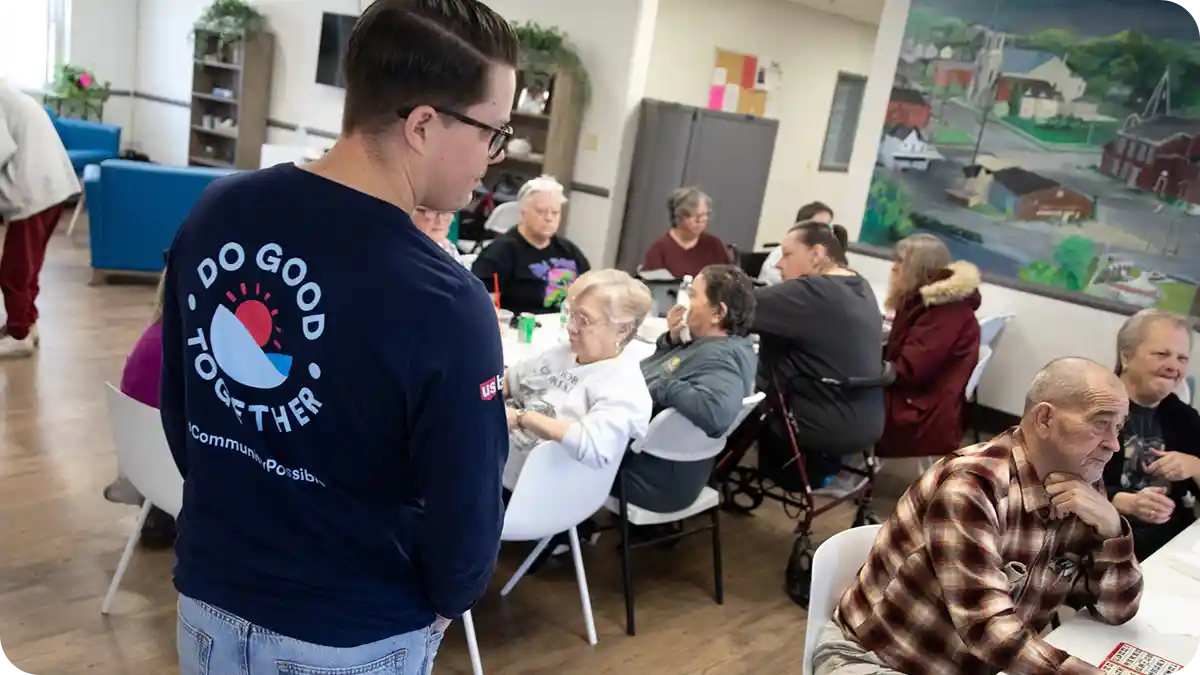
“During each session, we always make a point to ask participants which services they need and the topics they’d like us to cover in upcoming workshops,” he said. “They now feel comfortable asking questions and giving feedback, and they often refer new residents, as well as their other friends and family, to us. Our biggest success is seeing these senior citizens feel comfortable coming to us for their banking needs and more confident about their finances.”
During a recent scam prevention workshop, a resident realized that someone she had long trusted — thanks to their friendly and convincing communication — was actually displaying common scammer behaviors. She had been regularly paying this person for services they claimed they would eventually provide, and she never suspected anything was wrong. After hearing presenters explain key warning signs, such as emotional manipulation and high‑pressure tactics, she recognized the pattern and took steps to protect herself.
“She was able to safely disengage with the scammer and take back control of her finances,” Mullins said. “Today, she’s more comfortable communicating openly with her bankers about what’s going on in her life. Her experience has had a ripple effect within the community. Other residents have become more willing to ask questions, share concerns and seek guidance earlier, which is exactly the environment we’re trying to create.”
Learn more about elder financial exploitation and how to report it.


 Equal Housing Lender