

What are 0% intro APR credit cards?
7 min read

What is a good credit limit?
4 min read

What is a credit card balance?
4 min read
Credit Card Basics
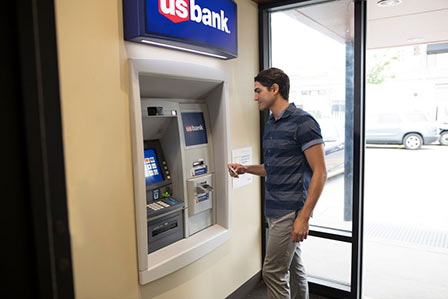
When you need cash, you go to an ATM. But if you don’t have sufficient funds in the checking account linked to your debit card, you may be able to use a credit card to get cash. When you use a credit card at an ATM, it’s called a cash advance, and it’s treated differently than a typical debit card withdrawal. Cash advances are expensive, so it’s crucial to understand the implications of using a credit card at an ATM.
A credit card cash advance is a type of short-term loan withdrawn against your credit card limit. It allows you to get cash when you need it, even if you don’t have enough funds in your bank account.
Unlike a debit card withdrawal, however, a credit card cash advance has immediate interest charges and potentially more fees than just an ATM fee. The interest may be even higher than the card’s regular purchase annual percentage rate (APR), so credit card cash advances should be considered a last resort when you need cash.
The process may vary slightly between credit card providers and banks, but generally, it looks like this:
No, you usually cannot use a credit card at an ATM without a PIN. A PIN is a crucial security measure to ensure the cardholder is making the transaction. Visit your credit card provider’s website to learn how to create a PIN if you don’t have one already.
The process of using your credit card at an ATM is very similar to using a debit card, but there are several key differences to keep in mind.
ATMs usually charge fees for withdrawals. With a credit card cash advance, you likely have to pay this fee as well as a cash advance fee charged by your credit card provider. This fee is typically a percentage of the amount you withdraw.
Credit card cash advances are a short-term loan, meaning you must pay interest in addition to the amount you withdraw. Cash advance interest rates are often higher than a credit card’s regular purchase interest rate.
Credit cards usually have a grace period after you make purchases before interest is charged to your account. That’s not the case with a cash advance. Interest begins accruing immediately after the withdrawal.
There’s typically a limit on how much you may withdraw on a cash advance. The cash advance limit is usually capped at a percentage of your overall credit limit. For instance, if you have a $10,000 credit limit and a 20% cash advance limit, you could withdraw up to $2,000 in cash.
Taking a cash advance doesn’t directly impact your credit score, but any time you borrow money, there’s likely to be some indirect impact. For instance, a cash advance will impact your credit utilization ratio, which is the amount of available credit you’re using. If you borrow so much that your credit utilization rises, it may have a negative impact on your credit score.
If you repay what you borrowed within the credit card statement period, there may be minimal impact on your credit.
You may use your credit card at an ATM to get cash. However, it’s important to understand the costs before you do so. Credit card cash advances often have fees and may accrue significant interest if you don’t repay what you borrow quickly. If you need cash, withdrawing from a checking account using a debit card is typically much more cost-effective.
7 min read
4 min read
4 min read